

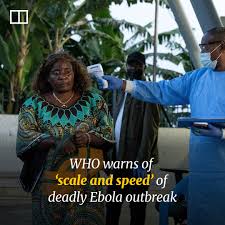
In today’s fast-moving world, global news can change within minutes, and unexpected events spreading across countries are becoming more frequent due to political shifts, environmental changes, cyber incidents, and economic disruptions. A “global alert” does not always mean a single crisis; instead, it often refers to multiple interconnected events affecting different regions at the same time. Understanding these developments is important for individuals, businesses, and governments because global instability can influence travel, trade, security, and daily life. This article explores the key areas where unexpected global events are emerging and how they are shaping international awareness today.
Rising Global Security Concerns
Cross-Border Tensions and Political Instability
Cross-border tensions are one of the main reasons behind global alerts today. Many countries are experiencing political disagreements, border disputes, and diplomatic conflicts that create uncertainty across regions. These situations often develop quickly and can influence global markets, travel safety, and international relations. When such instability spreads, even distant countries may feel indirect effects through economic or strategic alliances.
Increased Military Movements and Defense Alerts
Another major factor is the increase in military activity and defense readiness across multiple regions. Governments often raise alert levels in response to perceived threats or regional instability. These movements are closely monitored by international organizations because they can escalate unexpectedly. Even routine military exercises can sometimes be misinterpreted, adding to global concern and raising alert levels worldwide.
Cybersecurity Threats Affecting Multiple Nations
Cybersecurity threats have become a major part of global alerts in recent years. Attacks on government systems, financial institutions, and communication networks can spread across borders within seconds. These digital threats are often difficult to trace and can disrupt essential services. As more countries rely on digital infrastructure, cybersecurity has become a critical part of global safety monitoring.
Environmental Disruptions Impacting Multiple Region
Sudden Climate Changes and Extreme Weather
Climate-related events are increasingly contributing to global alerts. Sudden storms, heatwaves, floods, and unusual weather patterns are affecting multiple countries at the same time. These changes not only damage infrastructure but also disrupt transportation, agriculture, and supply chains. The unpredictability of weather systems makes it harder for governments to prepare in advance.
Natural Disasters and Emergency Response Challenges
Earthquakes, wildfires, and other natural disasters continue to occur in different parts of the world, often simultaneously. These events require immediate emergency response, but large-scale disasters can overwhelm local systems. When multiple disasters happen across regions, international aid organizations often step in to support recovery efforts and manage humanitarian needs.
Environmental Pollution and Health Alerts
Environmental pollution is also contributing to global concerns, especially when air quality or water contamination affects multiple regions. Health authorities may issue alerts when pollution levels become dangerous, leading to travel restrictions or public safety warnings. These issues highlight the growing connection between environmental conditions and global health stability.
Economic and Technological Disruptions Worldwide
Global Market Instability and Inflation Pressure
Economic instability is another major factor behind global alerts. Inflation, currency fluctuations, and supply chain disruptions can spread quickly across countries. When major economies experience financial stress, it often impacts global trade and increases uncertainty in international markets. Businesses and consumers both feel the effects through rising prices and reduced purchasing power.
Digital System Failures and Infrastructure Breakdowns
Technology plays a central role in modern life, so digital system failures can cause widespread disruption. Internet outages, banking system errors, and communication breakdowns can affect millions of users at once. When these systems fail across multiple regions, it creates a ripple effect that impacts businesses, transportation, and daily services.
Rapid Spread of Misinformation Online
Misinformation is a growing challenge in the digital age. False or misleading information can spread quickly across social media platforms, creating confusion and panic during global events. This often complicates official responses and increases public uncertainty. Governments and tech companies are now focusing on improving digital verification and content monitoring systems.
Global Response and International Coordination
Role of International Organizations in Crisis Monitoring
International organizations play a key role in tracking global alerts and coordinating responses. They collect data from multiple countries, analyze risks, and provide early warnings. Their goal is to ensure that nations can respond quickly to potential threats and reduce the impact of crises. Collaboration between countries is essential for effective global monitoring.
Emergency Communication and Public Awareness Systems
Clear communication is critical during global events. Governments use emergency alert systems, news updates, and digital platforms to inform the public about risks. These systems help people stay safe and make informed decisions. However, ensuring accuracy and speed of information remains a major challenge during fast-moving situations.
Strengthening Global Cooperation for Stability
Global cooperation is becoming more important as unexpected events continue to spread across countries. Nations are working together in areas such as security, health, environment, and technology. Strengthening partnerships helps reduce risks and improve response times. In an interconnected world, no country can handle major crises alone.
FAQs
1. What does a global alert mean?
A global alert refers to multiple serious events or risks affecting different countries at the same time.
2. Why are unexpected events increasing worldwide?
They are increasing due to climate change, political instability, cyber threats, and global economic pressure.
3. How do global alerts affect daily life?
They can impact travel, prices, digital services, and overall safety awareness.
4. Who monitors global alerts?
International organizations and governments monitor global risks and issue warnings when needed.
5. Can global alerts be prevented?
Not completely, but strong cooperation and early warning systems can reduce their impact.
Conclusion
Global alerts today reflect how interconnected the world has become, where political, environmental, technological, and economic issues can spread quickly across borders. Understanding these unexpected events helps individuals and organizations stay prepared and informed. While challenges continue to grow, improved global cooperation and better monitoring systems are helping reduce risks and improve response strategies.