

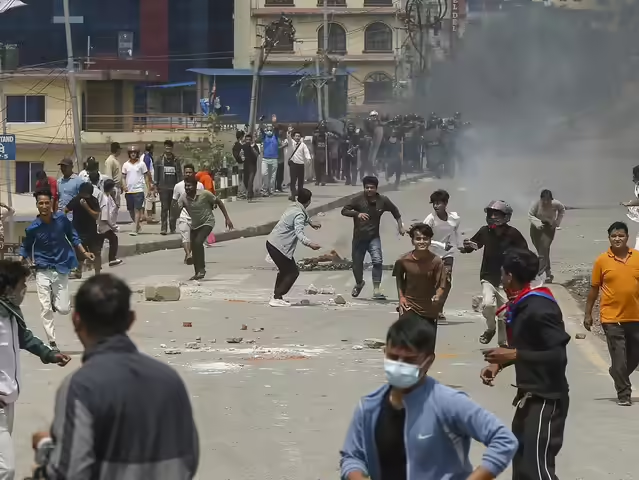
In a dramatic turn of events, the phrase “Political Earthquake Today” has become the center of global headlines as an unexpected development shook the political landscape. Leaders across parties and regions quickly responded to the situation, expressing concern, support, and strategic opinions about what this shift could mean for stability and governance. The incident has triggered intense debate among analysts, policymakers, and citizens, making it one of the most talked-about political news stories of the day.
Sudden Political Shift and Initial Reactions
Breaking Development Sends Shockwaves Through Leadership
The unexpected development that unfolded today created immediate shock across political circles. Within hours, government officials and party representatives began issuing statements acknowledging the seriousness of the situation. The sudden nature of the event left little time for preparation, leading to rapid and sometimes conflicting responses from key leaders.
Leaders React to Political Earthquake Today
Political leaders from various parties reacted strongly to what many are calling a political earthquake today. Some expressed concern about national stability, while others viewed it as an opportunity for reform and restructuring. The diversity of reactions highlights the complexity of the situation and the deep political divisions that already exist.
Public Response and Growing Uncertainty
As news spread, public reaction intensified, with citizens turning to media platforms for updates and clarity. The uncertainty surrounding the development has fueled speculation, with many questioning the long-term impact on governance and policy direction. Social discourse has become highly active, reflecting both concern and curiosity.
Impact on Government and Opposition
Government Officials Call for Stability and Calm
Government representatives emphasized the importance of maintaining calm and avoiding panic. Official statements focused on reassurance, highlighting that institutions remain functional despite the unexpected political development. Authorities also urged media responsibility in reporting to prevent misinformation.
Opposition Parties Demand Transparency
Opposition leaders used the moment to call for greater transparency and accountability. They questioned the circumstances surrounding the development and demanded detailed explanations from the ruling authorities. This response has intensified political debate and increased pressure on decision-makers.
Policy Uncertainty Raises National Concerns
The political earthquake today has also created uncertainty around ongoing policies and future plans. Investors, analysts, and citizens are closely watching for potential changes in economic and administrative directions. This uncertainty may influence decision-making processes in the coming days.
Global Response and Future Outlook
International Leaders Monitor the Situation Closely
Global leaders and international organizations are carefully observing the situation. While most responses remain diplomatic, there is clear interest in how the political development will affect regional stability and international relations. Monitoring continues as more details emerge.
Analysts Predict Possible Political Realignments
Political analysts suggest that the unexpected development could lead to realignments within political parties and alliances. Depending on how events unfold, there may be shifts in leadership structures or policy priorities. Experts emphasize that the situation is still developing and requires close observation.
Uncertain Future Shapes Political Discussions
The future remains uncertain as discussions continue among stakeholders. The political earthquake today has opened debates about reform, governance strength, and institutional resilience. What happens next will likely define the direction of political stability in the near future.
FAQs
What does “political earthquake today” mean?
It refers to a sudden and major political event that causes widespread reactions and changes in the political environment.
Why did leaders react strongly to the development?
Because the event was unexpected and had potential implications for governance, stability, and public confidence.
How does this affect the government?
It may lead to policy reviews, increased pressure, and calls for transparency from both citizens and opposition parties.
What is the opposition’s response?
Opposition leaders are demanding clarity, accountability, and detailed explanations regarding the development.
Will this impact international relations?
It may influence diplomatic discussions depending on how the situation evolves in the coming days.
Conclusion
The political earthquake today has created a wave of reactions from leaders, institutions, and the public, highlighting the sensitivity of the unexpected development. While governments attempt to maintain stability and opposition voices demand accountability, the situation continues to evolve rapidly. The coming days will be crucial in determining whether this event leads to long-term political change or stabilizes under existing structures.