

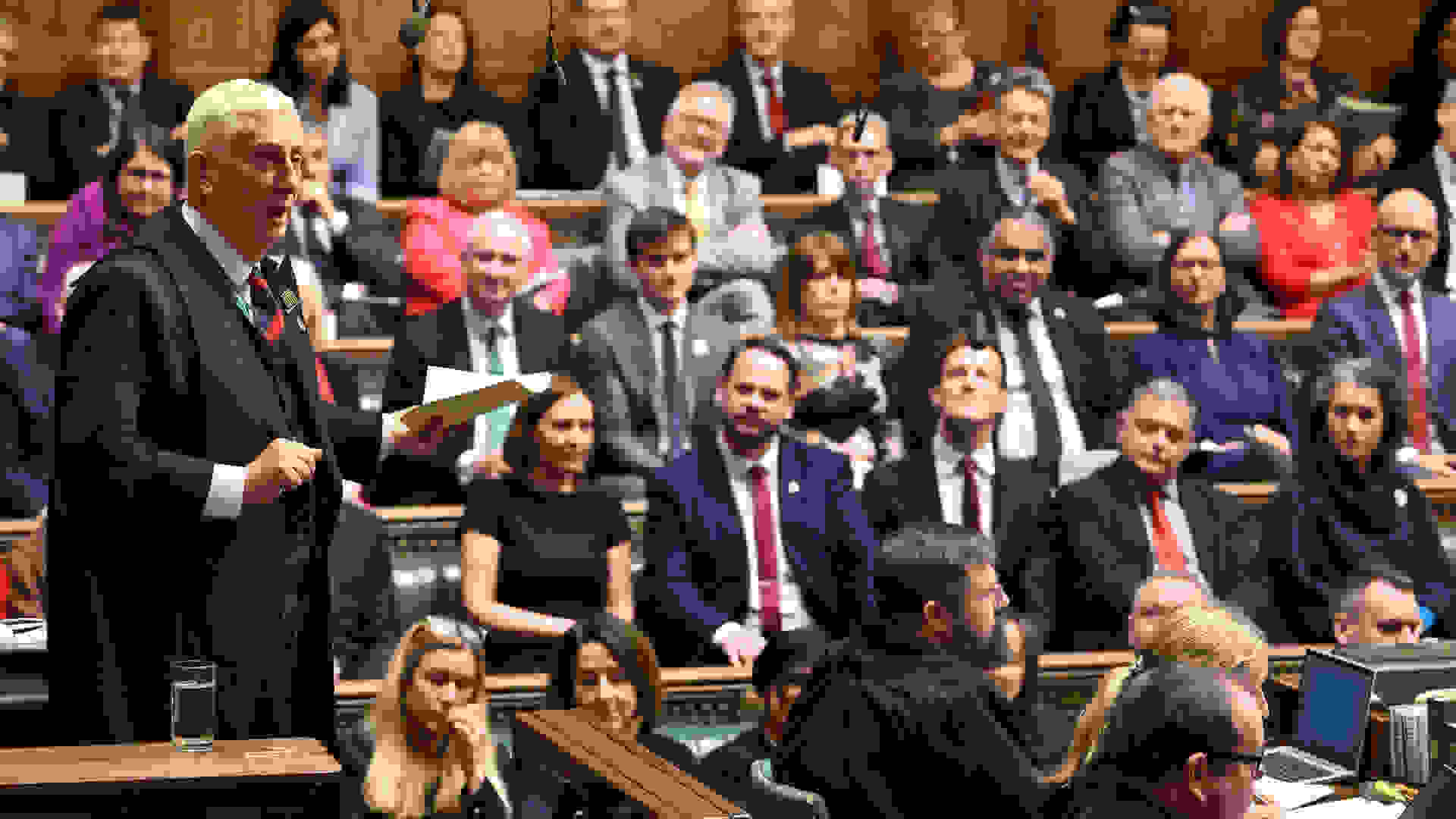
A major political development has captured national attention as a key bill introduced in the legislature faces sudden and unexpected opposition from within and outside the ruling coalition. What was initially expected to pass smoothly has now turned into a heated debate, creating uncertainty in the political landscape. Lawmakers, analysts, and the public are closely watching how this unfolding political drama will impact governance, policy direction, and future legislative stability.
Rising Tensions in the Legislature
Unexpected resistance from coalition members
The most surprising aspect of the current political drama is the resistance emerging from members of the ruling coalition itself. Several lawmakers who previously supported the government’s agenda have now raised concerns about the bill’s provisions. This internal disagreement has weakened the expected majority and created serious doubts about whether the bill can pass in its current form. The shift signals growing ideological differences within the alliance and highlights a lack of consensus on key policy priorities.
Opposition parties intensify criticism
Opposition parties have taken full advantage of the situation by strongly criticizing the bill and questioning its long-term impact. Their arguments focus on transparency, economic consequences, and public accountability. By uniting against the legislation, opposition leaders are trying to build broader political pressure and influence undecided lawmakers. This coordinated stance has added fuel to the ongoing political tension and made the legislative process more complex than expected.
Public reaction adds pressure
Public response to the bill has also contributed to the growing pressure on lawmakers. Civil society groups, analysts, and media commentators have expressed mixed reactions, with some supporting reforms while others fear negative consequences. Social media discussions have further amplified concerns, making the issue highly visible. This public attention is forcing political leaders to reconsider their positions carefully before moving forward with any final decision.
Key Issues Behind the Political Conflict
Policy disagreements within the draft bill
At the heart of the political drama are serious policy disagreements regarding the bill’s content. Critics argue that certain clauses lack clarity and may lead to unintended consequences in implementation. Supporters, however, believe the bill is necessary for long-term reforms. This disagreement over interpretation has created a deep divide, making it difficult to reach a common ground within the legislative framework.
Economic concerns and fiscal impact
One of the most debated aspects of the bill is its potential economic impact. Experts warn that certain provisions could increase fiscal pressure or affect existing economic structures. Lawmakers opposing the bill are demanding detailed financial assessments before proceeding further. This economic uncertainty has become a major sticking point and is playing a crucial role in shaping the current opposition movement.
Transparency and governance concerns
Questions about transparency and governance have also fueled opposition to the bill. Some lawmakers have raised concerns about the lack of clear oversight mechanisms and accountability measures. These issues have intensified debate within parliamentary committees, with calls for revisions and stronger safeguards. As a result, the bill is now under deeper scrutiny than originally anticipated.
Possible Outcomes and Political Implications
Delay in legislative approval
Due to rising opposition, one of the most likely outcomes is a delay in the bill’s approval process. Parliamentary debates may extend longer than planned, requiring additional consultations and revisions. This delay could affect the government’s overall legislative agenda and slow down other policy initiatives. Political observers believe that compromise will be necessary to move the bill forward.
Potential amendments to the bill
To address concerns from both supporters and critics, lawmakers may consider introducing amendments. These changes could modify controversial sections, clarify policy language, or strengthen accountability frameworks. Amendments are often used as a political solution to build consensus and avoid complete rejection of important legislation. However, reaching agreement on revisions may still take time.
Impact on political stability
The ongoing political drama surrounding the bill could have wider implications for political stability. Internal disagreements within the coalition and growing opposition pressure may strain relationships between parties. If not managed carefully, this situation could influence future alliances and reshape the political environment. The outcome of this debate will likely play a key role in determining the government’s legislative strength moving forward.
FAQs
1. Why is the key bill facing opposition?
The bill is facing opposition due to policy disagreements, economic concerns, and governance-related issues raised by lawmakers and critics.
2. Which groups are opposing the bill?
Both opposition parties and some members of the ruling coalition have expressed concerns and resistance.
3. What are the main issues in the bill?
The main issues include unclear policy provisions, fiscal impact concerns, and lack of transparency measures.
4. Can the bill still be passed?
Yes, but it may require amendments, negotiations, and broader consensus among lawmakers.
5. How does this political drama affect governance?
It may delay decision-making, impact legislative priorities, and influence overall political stability.
Conclusion
The unfolding political drama around the key bill highlights how quickly legislative processes can become complex when disagreements emerge within and outside the ruling coalition. With concerns over policy clarity, economic impact, and transparency, the bill now stands at a critical crossroads. Its future will depend on negotiation, compromise, and political alignment. Ultimately, this situation reflects the dynamic nature of modern governance, where public interest, political strategy, and policy goals must constantly be balanced.